If you like the idea of having restaurants, shopping, trails, and daily errands close to home, San Ramon’s City Center area may stand out right away. At the same time, buying near this part of town is a little different from buying in a more traditional suburban neighborhood. You need to understand how the area is built, how it is still changing, and what that could mean for your day-to-day life. Let’s dive in.
City Center works like a mixed-use hub
San Ramon’s City Center and Bishop Ranch are best understood as a mixed-use core, not just a shopping destination. The City of San Ramon describes the CityWalk Master Plan as a mixed-use plan for portions of Bishop Ranch that covers 134.98 acres.
That approved plan includes recreation, a 169-key hotel, up to 170,000 square feet of retail, new parking structures, and up to 4,500 multi-family residential units over the next 20 to 30 years. Bishop Ranch also states that 1,000 homes are underway and 8,000 are planned. For you as a buyer, that means this is an evolving district with long-term growth ahead, not a finished neighborhood with little left to change.
Convenience is a major draw
One of the biggest reasons buyers consider living near City Center is simple: convenience. Bishop Ranch’s retail and dining mix includes a wide range of restaurants, shops, fitness options, and services in one area.
Current offerings include places like Bamboo Sushi, LB Steak, The Slanted Door, Mendocino Farms, Fieldwork Brewing, Roam Artisan Burgers, Marugame Udon, and Ramen Hiroshi. Retail and service options include Anthropologie, Pottery Barn, Sephora, Warby Parker, and Equinox. That concentration of amenities gives the area a more active, all-in-one feel than many other parts of San Ramon.
For everyday living, the directory also lists Whole Foods, Target, the San Ramon Transit Center, BRite Bikes, a BART shuttle, the Presto autonomous shuttle, child care, a library, schools, and medical services. In practical terms, that can make it easier to combine errands, meals, workouts, and routine stops in one outing.
Outdoor access is part of the appeal
Living near City Center is not only about shopping and dining. Outdoor space is also a meaningful part of the lifestyle in this part of San Ramon.
The City of San Ramon says the city has 59 parks. Central Park is a 40.8-acre community park with fields, picnic areas, courts, a playground, a participatory fountain, and trail access. If you want room to spread out beyond the mixed-use core, this is an important nearby option.
The Iron Horse Trail adds even more everyday usability. According to the city, the trail runs 4.24 miles through San Ramon, is flat and paved, and connects residential and commercial areas, schools, public transportation, regional trails, and community facilities.
That matters because it can support walking, jogging, biking, and moving between parts of the city without always getting in the car. Bishop Ranch also says the campus includes more than 50 acres of open space connected by trails, gardens, lakeside paths, and a green parkway. Together, those features help balance the area’s busy mixed-use feel with strong outdoor access.
Housing near City Center feels newer
The housing stock near City Center often looks and feels different from older San Ramon neighborhoods. Bishop Ranch says residences in the area range from studio apartments to single-family homes, with current options including City Village, Belmont Village Senior Living, luxury apartments by Related, and AvalonBay San Ramon.
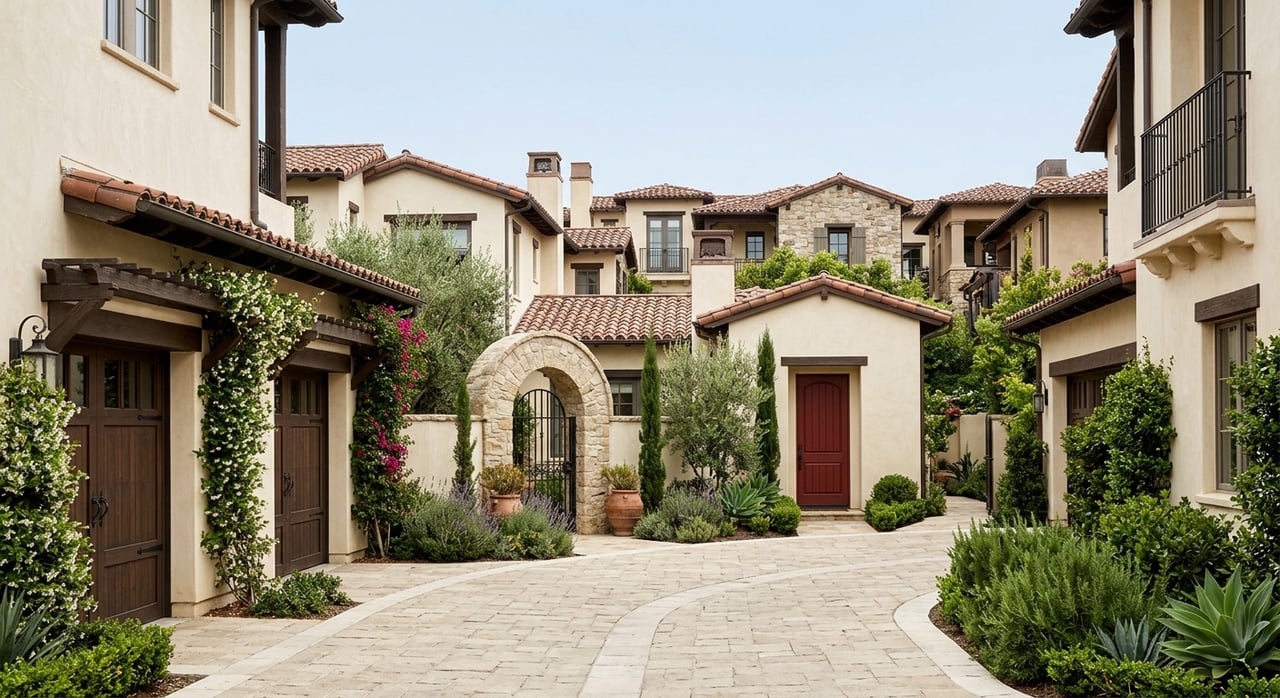
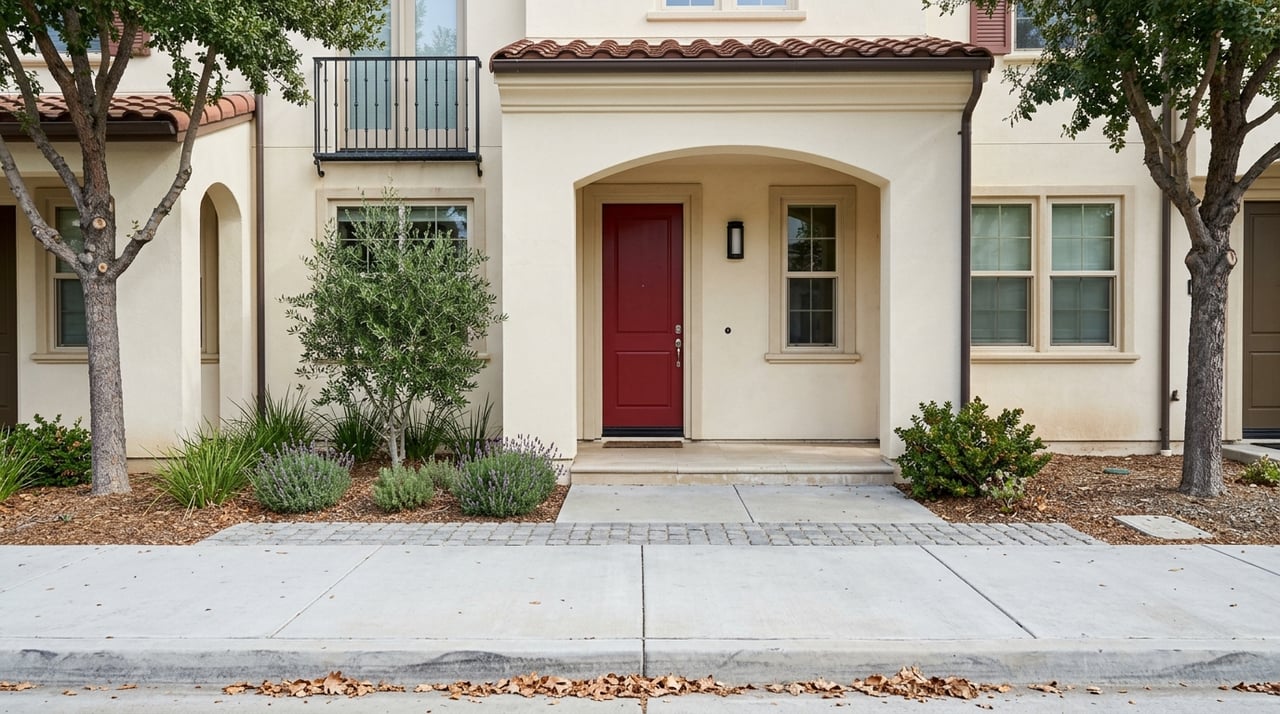
That mix points to a more varied housing environment than you might expect in a suburban setting. The closer you get to the core, the more likely you are to see newer homes, attached housing, smaller lots, shared spaces, and planned communities.
City Village is a clear example. SummerHill Homes says the community includes 404 homes, made up of 268 detached homes and 136 attached townhomes.
The three collections range from 3 to 4 bedrooms and about 1,716 to 3,093 square feet. Community features include a 2-acre public park, open space, walking and biking trails, gathering areas, seating spaces, and a barbecue area. If you want a newer home with planned amenities close to City Center, this type of setup may fit well.
HOA costs should be part of your budget
Near-core convenience often comes with shared-maintenance costs and community rules. That is why HOA details matter so much when you compare homes in this area.
For example, SummerHill’s City Village FAQ lists monthly HOA dues at buildout from $373 to $410 for The Towns and $121 to $140 for The Rows and The Courts. Those figures are specific to that community, but they are a helpful reminder that monthly ownership costs may be higher in newer, amenity-focused neighborhoods.
Before you make an offer, look closely at current dues, what they cover, and any rules that could affect how you use the property. Two homes at similar price points can feel very different once HOA costs and community structure are part of the picture.
Future construction may shape your experience
A key point many buyers miss is that the area is still developing. The CityWalk Master Plan allows for additional housing, retail, and parking over the next 20 to 30 years.
That does not mean every nearby property will be directly affected in the same way. It does mean you should think beyond the home itself and ask what is planned nearby. Your experience could vary depending on how close a property is to future phases, traffic changes, or new construction activity.
This is one of the most important reasons to evaluate location at the block-by-block level. A home that feels quiet today may still be in the path of a broader long-term buildout.
Transit is useful, but schedule matters
Transit access is part of the value story near Bishop Ranch, but it helps to look at the details. Bishop Ranch highlights direct connections to regional transit, bike-share, EV charging, and last-mile service through the autonomous Presto Bus.
County Connection’s current route pages show Bishop Ranch service on the 97X to Dublin/Pleasanton BART and the 96X to Walnut Creek BART. Both are weekday peak services. The 96X runs every 30 minutes during peak periods, and the 97X runs every 60 minutes during peak periods.
That can be very useful for some schedules, but it is not the same as all-day, high-frequency transit. If commute flexibility matters to you, it is smart to test what is actually practical from the specific property you are considering.
Questions to ask before you buy
If you are comparing homes near San Ramon’s City Center, keep your questions focused on how the location functions in real life. A polished model home or attractive streetscape is only part of the story.
Here are a few smart questions to raise as you narrow your options:
- How much of your routine can realistically be done on foot or by bike from this exact property?
- Is the home in an HOA, and what are the current dues, rules, and reserve expectations?
- How close is the property to future construction phases tied to the CityWalk buildout?
- Which commute option is practical for your actual work hours and weekly routine?
- Does the home’s layout and lot style match what you want long term, especially if you are comparing newer attached or smaller-lot homes with older detached homes elsewhere in San Ramon?
The bottom line for buyers
Living near San Ramon’s City Center can offer a very appealing blend of convenience, outdoor access, and newer housing options. It can be a strong fit if you want a more connected, active setting within an East Bay suburban market.
At the same time, this area asks you to think carefully about tradeoffs. Newer, near-core living may mean HOA dues, denser housing, shared spaces, and a district that will continue to evolve over many years. If you want help comparing City Center-area homes with other parts of San Ramon, Kory Madge can help you evaluate the details that matter most for your goals.
FAQs
What is San Ramon City Center like for daily life?
- San Ramon City Center and Bishop Ranch offer a dense mix of dining, shopping, fitness, services, transit connections, and open space, which can make daily errands and activities more convenient.
What types of homes are near San Ramon City Center?
- Housing near San Ramon City Center ranges from studio apartments to single-family homes, with a strong presence of newer planned communities, attached housing, and shared amenities.
Are there HOA fees near San Ramon City Center?
- Many newer communities near City Center may have HOA dues and community rules, so you should review the current costs and what they cover before buying.
Is San Ramon City Center still being developed?
- Yes. The city-approved CityWalk Master Plan allows additional housing, retail, recreation, hotel, and parking development over the next 20 to 30 years.
Is transit near Bishop Ranch useful for commuters?
- It can be, especially for peak-hour commuters, but current Bishop Ranch BART connections on the 96X and 97X are weekday peak services rather than all-day frequent transit.