If you hear “luxury” and picture only sprawling estates with sky-high price tags, Pleasanton may surprise you. In this market, luxury is often less about a fixed number and more about where a home sits relative to the rest of the city, how it shows, and how it competes for a very selective buyer pool. If you are buying or selling in Pleasanton, understanding that difference can help you make smarter decisions and set better expectations. Let’s dive in.
What luxury means in Pleasanton
Pleasanton already sits at a high price point compared with many other markets. The City of Pleasanton reports a 2022 median housing value of $1,165,267, while Census QuickFacts places the median value of owner-occupied housing units at $1,432,300. Current market trackers also put median prices near the $1.5 million mark, which means the luxury tier often starts above the citywide middle rather than at one universal cutoff.
In practical terms, many of Pleasanton’s premium homes sit in the upper $1 millions, while estate-style properties can stretch well past $3 million. That is why luxury here is best understood as the upper end of the local market, not just a label attached to one exact price.
Key Pleasanton luxury price bands
Recent local market snapshots help show how the upper tier breaks out across Pleasanton. Realtor.com data shows Pleasanton Valley at about $1,785,000 and Vintage Hills at about $1,548,000. In Ruby Hill, examples on the same platform ranged from roughly $3.25 million to $5.98 million, with one current property estimated around $3,154,024.
That spread matters because two homes can both be considered luxury in Pleasanton while appealing to very different buyers. A move-up buyer shopping in the high $1 millions may compare condition, lot size, and floor plan closely, while an estate buyer in the $3 million-plus range may focus more on privacy, scale, and overall presentation.
Neighborhoods buyers compare
When buyers look at Pleasanton’s upper tier, they often compare a specific set of neighborhoods and residential pockets. The most relevant premium areas in current market comparisons include Ruby Hill, Pleasanton Valley, Vintage Hills, Pleasanton Heights, Kottinger Ranch, Bonde Ranch, West Vineyard Avenue, Ventana Hills, and Happy Valley.
Some of these areas also have thin inventory, with only a small number of active listings at a given time. That limited supply can shape both pricing strategy and buyer urgency, especially when a home is well-prepared and enters the market at the right moment.
Why Pleasanton stays resilient
Pleasanton’s economic profile helps explain why demand holds up in the upper end. The city reports a 2022 median household income of $186,721, per-capita income of $83,147, and 46% of households earning more than $200,000. It also reports 68.2% owner occupancy and notes that 75% of households are families.
Those numbers point to a market with a deep base of established homeowners and move-up buyers. Even when market conditions shift, that kind of buyer pool can help support ongoing interest in polished, well-located homes.
Current market conditions in Pleasanton
Pleasanton remains competitive, but the pace is more measured than during the strongest pandemic-era stretch. Over the three months ending May 2026, Redfin reported that homes sold in about 21 days on average, received about 3 offers, and had a median sale price of $1,494,106. That median was down 11.3% year over year.
At the same time, Realtor.com reported a median listing price of $1.548 million, 166 active listings, about 22 days on market, and a sale-to-list ratio of 100% in May 2026, while still describing Pleasanton as a seller’s market. Together, those figures suggest a market that is active and competitive, but also more price-sensitive than it was at the peak.
What seller leverage looks like now
For sellers, this is not a market where you can rely on momentum alone. Buyers are still engaged, but they have enough information and enough choice to notice when a home feels overpriced, underprepared, or poorly presented.
That makes pricing precision and launch quality especially important. In a market where homes are still moving in about three weeks, the strongest listings often stand out quickly, while the ones that miss the mark can lose leverage just as fast.
What luxury buyers expect
Buyers in the upper tier typically begin their search online. National buyer research cited in the report shows that 43% of buyers first look for properties on the internet, all buyers use the internet at some point in the search process, and the most valuable website content is photos, detailed property information, and floor plans.
That matters even more in a market like Pleasanton, where many buyers are comparing homes carefully before deciding which ones are worth an in-person visit. If your home does not look complete, polished, and easy to understand online, you may lose attention before a showing is ever scheduled.
Presentation matters more at higher prices
The standard rises sharply as prices climb. According to NAR’s 2025 staging report, 83% of buyers’ agents said staging made it easier for buyers to picture the property as their future home. The same report found that 29% of agents said staging increased the dollar value offered by 1% to 10%, and nearly half of sellers’ agents said staging reduced time on market.
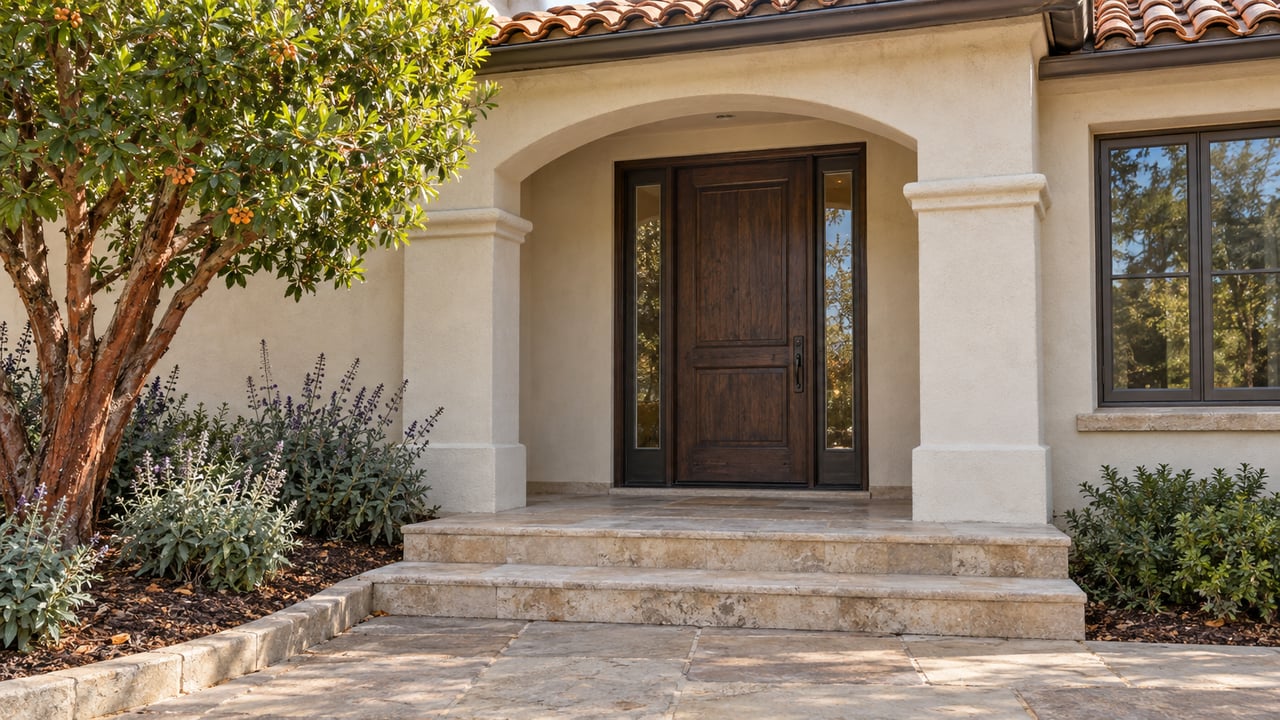
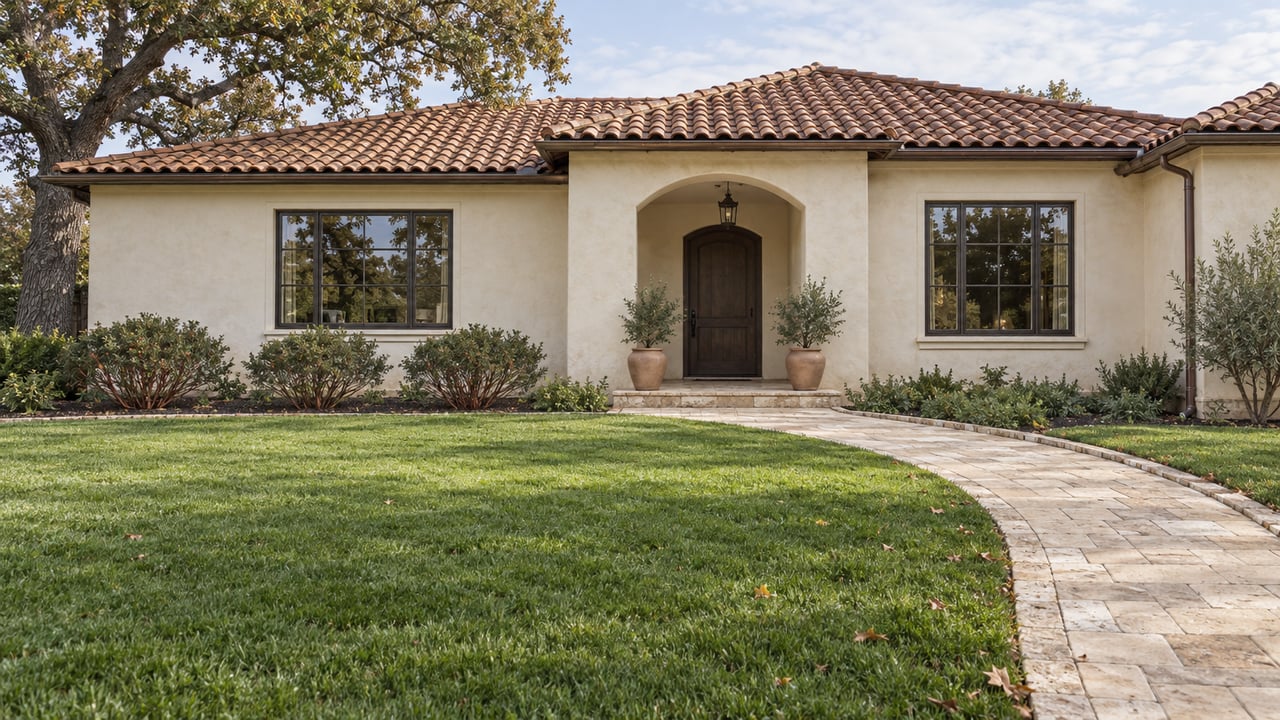
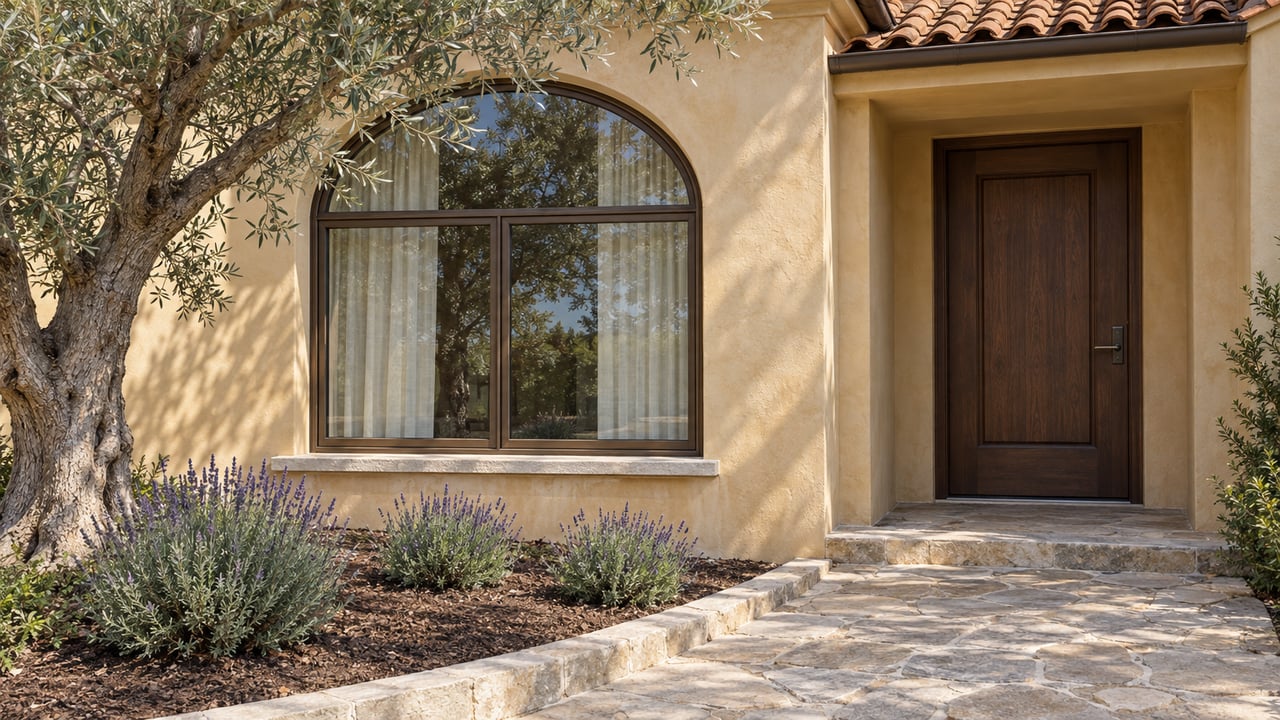
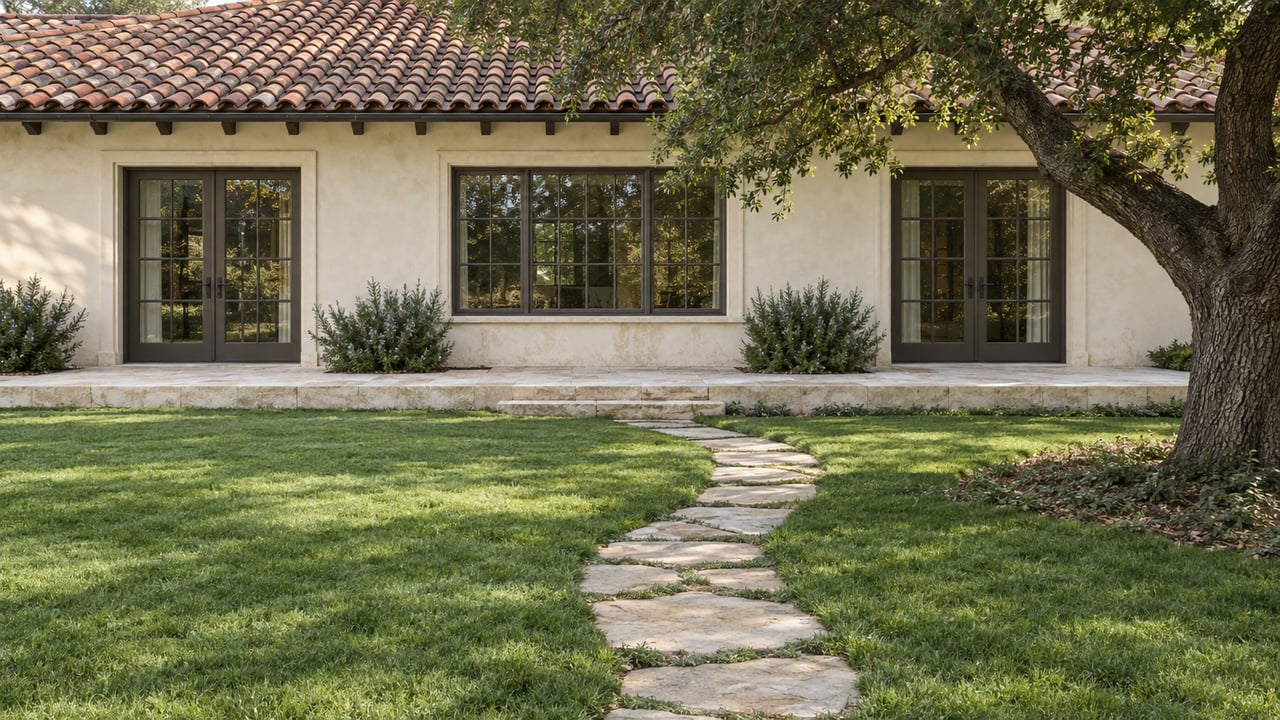
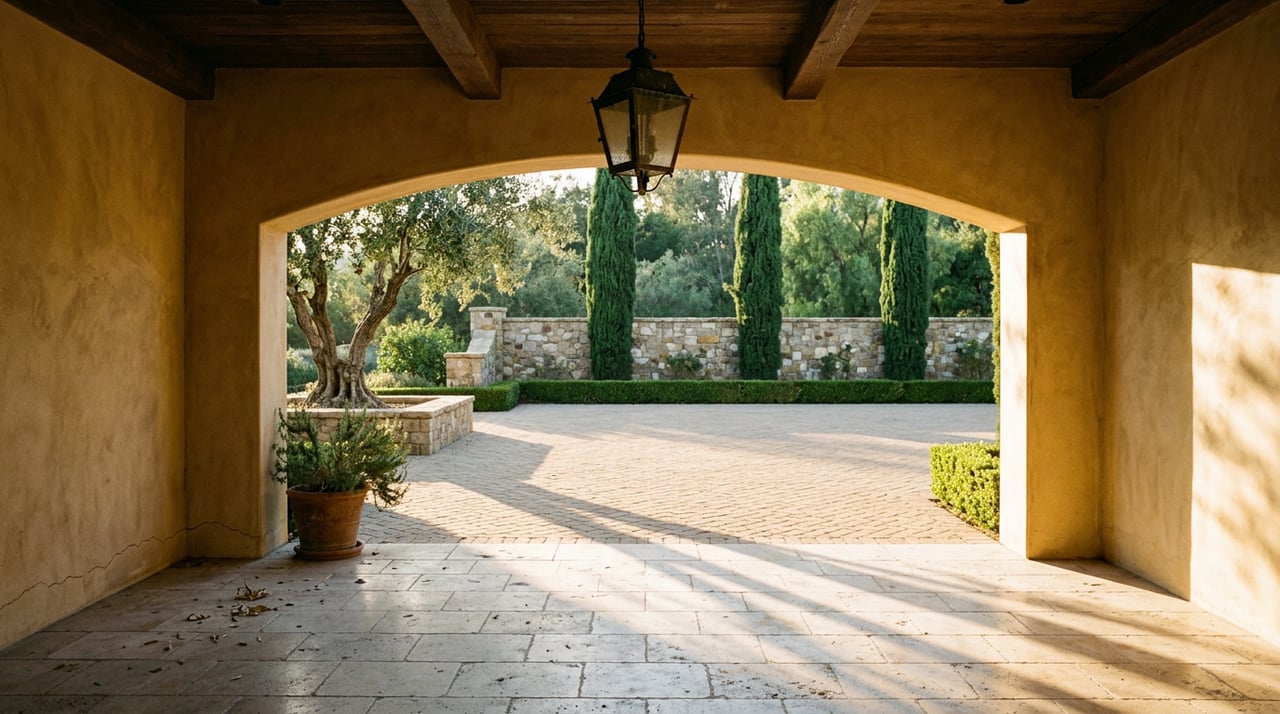
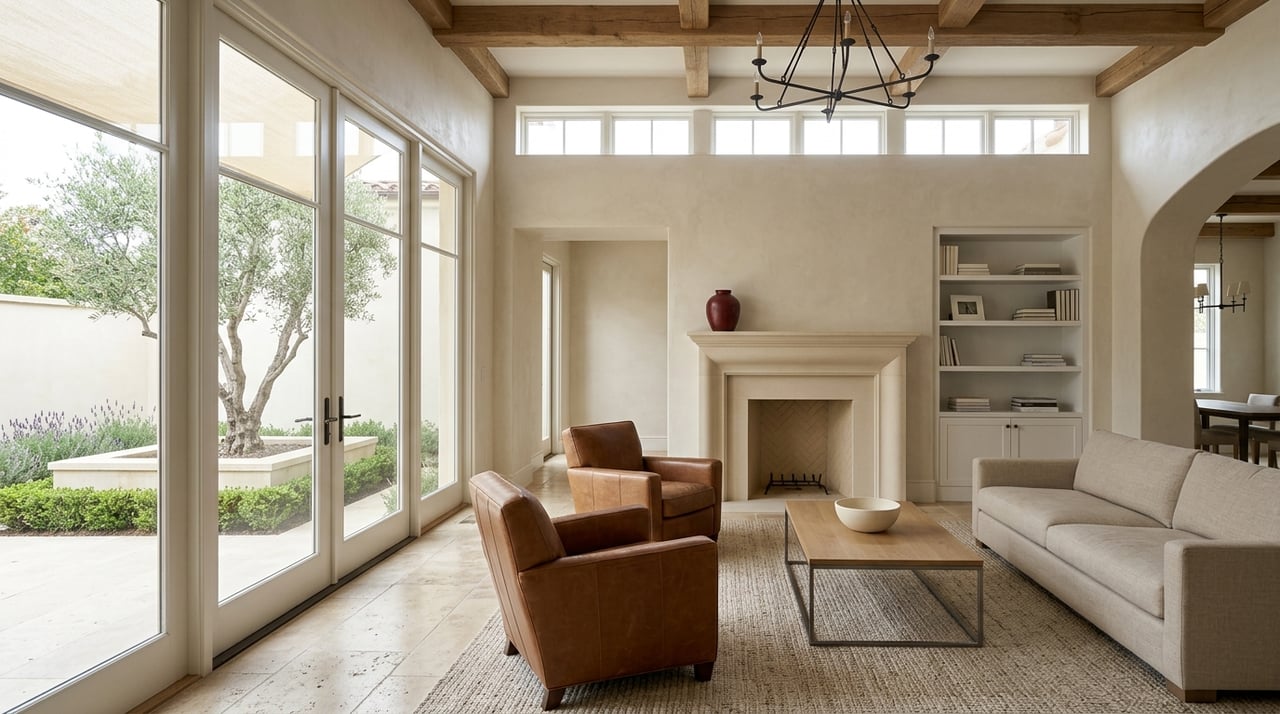
For Pleasanton’s luxury segment, that supports a simple truth: buyers are often judging a home less like basic inventory and more like a finished product. Clean rooms, thoughtful staging, strong photography, video, virtual tours, and polished curb appeal all help support the price you are trying to achieve.
Condition and flow carry real weight
Pleasanton’s housing stock includes many homes built between 1970 and 1999, which the city says makes up 63% of local units. In the premium segment, that means buyers may pay close attention to updates, layout function, and whether a home feels move-in ready.
A larger home with a strong address does not always win on size alone. In many cases, the home that feels more complete, more functional, and easier to enjoy from day one will create stronger demand.
Financing shapes the luxury market too
Luxury in Pleasanton is also tied to financing realities. The 2026 one-unit conforming loan limit for Alameda County is $1,249,125. Since many Pleasanton homes trade above that level, a meaningful share of upper-end purchases may require jumbo financing unless a buyer brings a large down payment or pays cash.
Mortgage rates add another layer. Freddie Mac reported a 30-year fixed mortgage rate of 6.47% as of June 18, 2026. At higher price points, rate changes can have a major effect on monthly payments, so even financially strong buyers may become more selective about value, condition, and pricing.
Why pricing strategy is critical
When a buyer is stretching into jumbo territory, every pricing decision feels bigger. A home priced too aggressively may narrow the buyer pool, especially if it also needs updates or does not present clearly online. A home priced with discipline and backed by strong marketing is more likely to create urgency and protect negotiating power.
That is one reason the luxury segment rewards careful planning. In Pleasanton, a successful sale is often built on the combination of price, preparation, timing, and exposure rather than any one factor alone.
Timing can influence results
Preparation matters well before your home goes live. Realtor.com’s 2026 Best Time to Sell report identified April 12 through 18 as the best national listing window, noting that homes listed in that period historically received 16.7% more views and sold about nine days faster than average. The same report also noted that some in-demand coastal and tech-hub markets may move into spring mode earlier.
For Pleasanton sellers, that makes early planning a smart move. If you want to hit the market during a strong window, you may need to start decluttering, lining up vendors, refining staging, and preparing media well in advance.
What a strong luxury listing needs
At the upper end of the Pleasanton market, execution often separates the best outcomes from the average ones. Buyers expect a listing to feel polished, complete, and thoughtfully introduced.
A strong launch often includes:
- Accurate, market-aware pricing
- Professional photography
- Detailed property information
- Floor plans that help buyers understand flow
- Clean, decluttered interiors
- Strong curb appeal
- Staging that helps rooms feel purposeful
- Enough exposure to reach qualified buyers without wasting early momentum
For many sellers, that level of preparation is where a boutique, concierge-style approach can add real value. Coordinating staging, vendors, pricing strategy, and marketing is often what helps a premium home compete at the level its price demands.
The bottom line on Pleasanton luxury
The luxury home market in Pleasanton is not defined by one simple price threshold. It is a relative upper tier shaped by a citywide median near $1.5 million, a high-income homeowner base, limited inventory in certain premium pockets, and buyer expectations that rise quickly with price.
If you are buying, that means knowing how neighborhoods, condition, and financing affect value. If you are selling, it means understanding that presentation, pricing, and launch strategy can have a meaningful impact on both timing and outcome. In a market like Pleasanton, luxury is not just about the home itself. It is also about how well the home is positioned.
If you are thinking about buying or selling a higher-end home in the East Bay and want a more tailored strategy, Kory Madge offers high-touch guidance, polished marketing, and concierge-level support designed for today’s premium market.
FAQs
What counts as a luxury home in Pleasanton?
- In Pleasanton, luxury is usually best viewed as the upper end of the local market above the citywide median, with many premium homes in the upper $1 millions and estate properties often above $3 million.
Which Pleasanton neighborhoods are often considered part of the luxury market?
- Common premium areas in local market comparisons include Ruby Hill, Pleasanton Valley, Vintage Hills, Pleasanton Heights, Kottinger Ranch, Bonde Ranch, West Vineyard Avenue, Ventana Hills, and Happy Valley.
Is Pleasanton still a seller’s market for luxury homes?
- Current data shows Pleasanton remains competitive, with about 21 to 22 days on market and a 100% sale-to-list ratio in one recent snapshot, though buyers are more price-sensitive than in the strongest boom years.
Why does staging matter in Pleasanton’s luxury market?
- Higher-end buyers often expect polished presentation, and NAR’s 2025 staging report found staging helps buyers picture the home more easily and can reduce time on market.
Do Pleasanton luxury buyers usually need jumbo loans?
- Many do, because the 2026 conforming loan limit for Alameda County is $1,249,125 and many Pleasanton premium homes are priced above that level.
When should you prepare to list a luxury home in Pleasanton?
- Early preparation is wise, especially if you want to target the spring market, since seller prep like decluttering, staging, vendor coordination, and media planning often takes time.