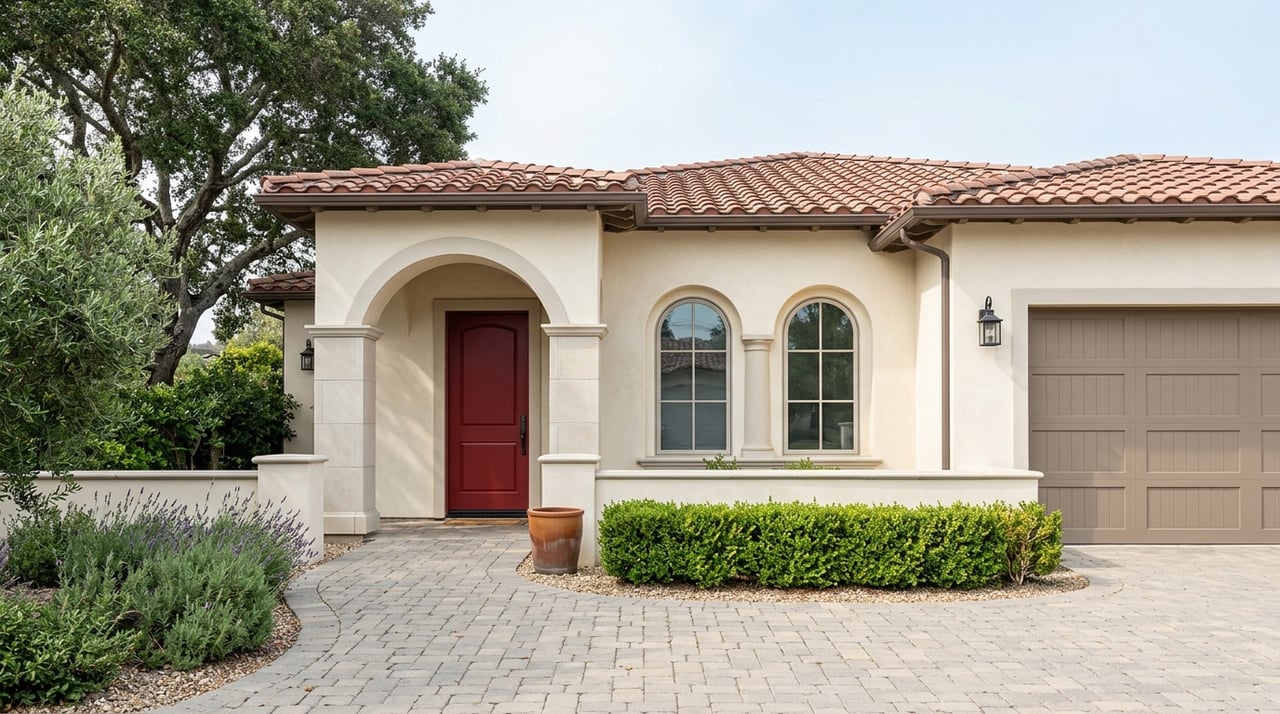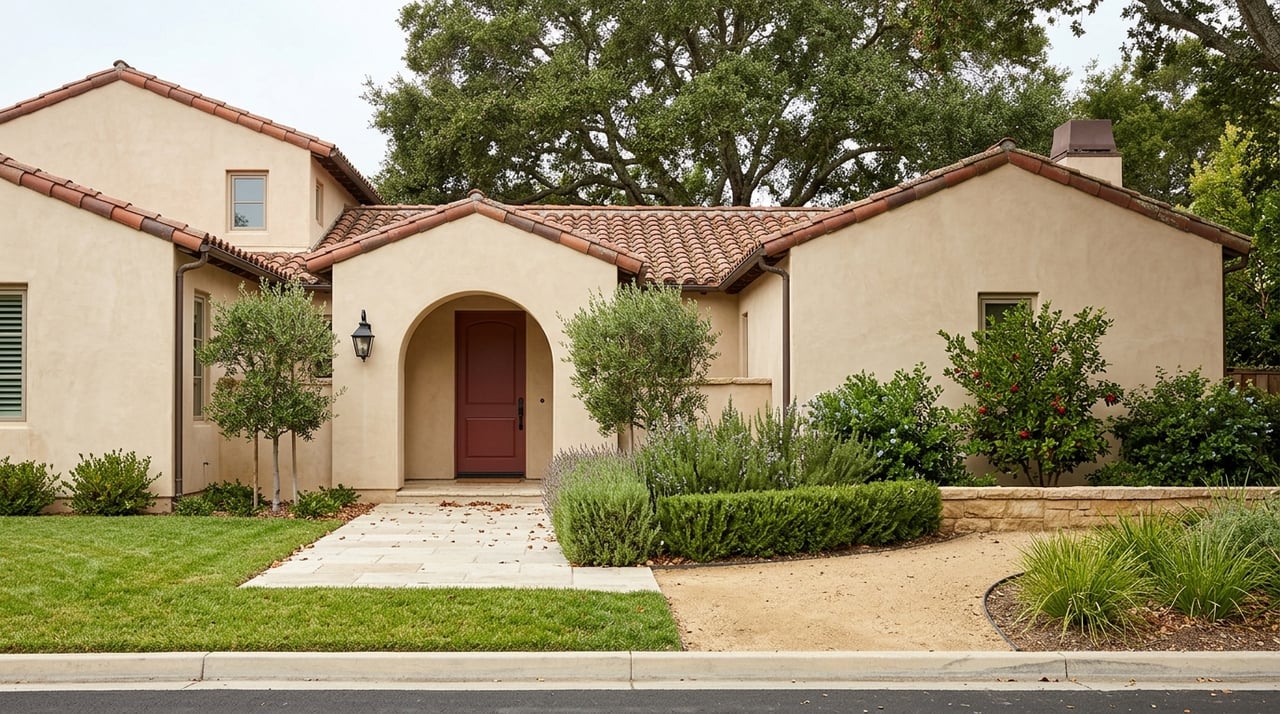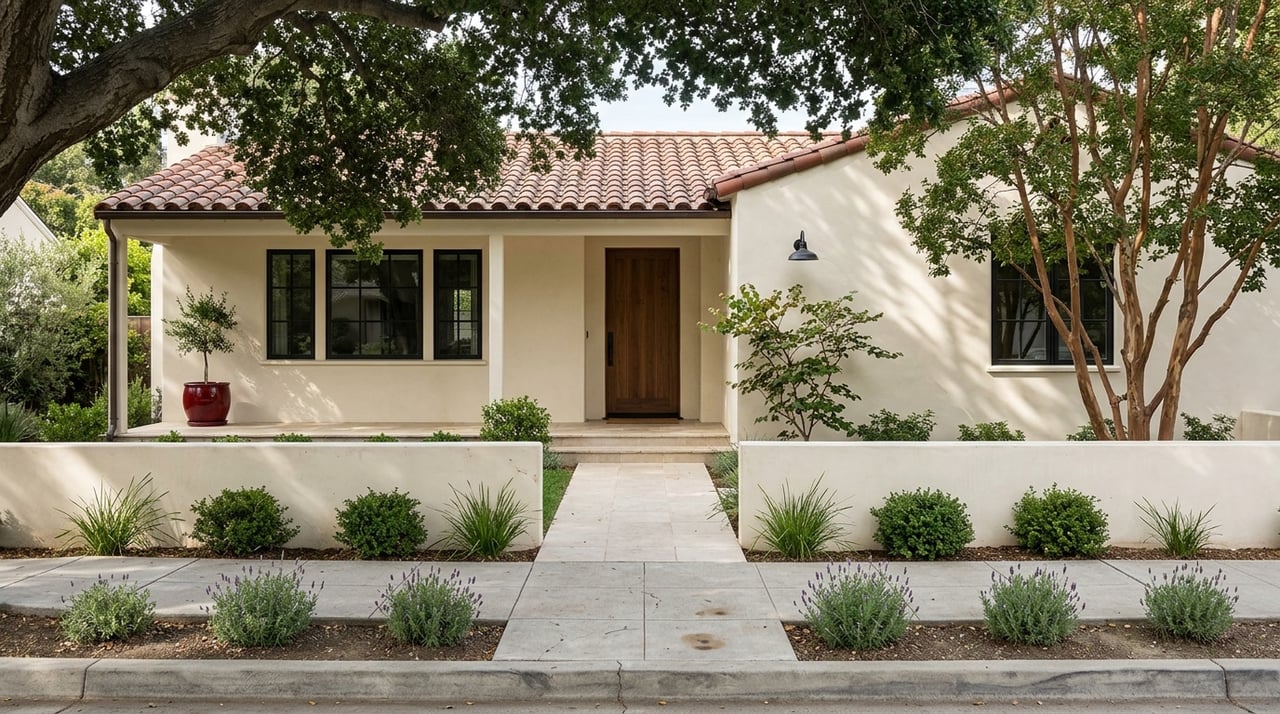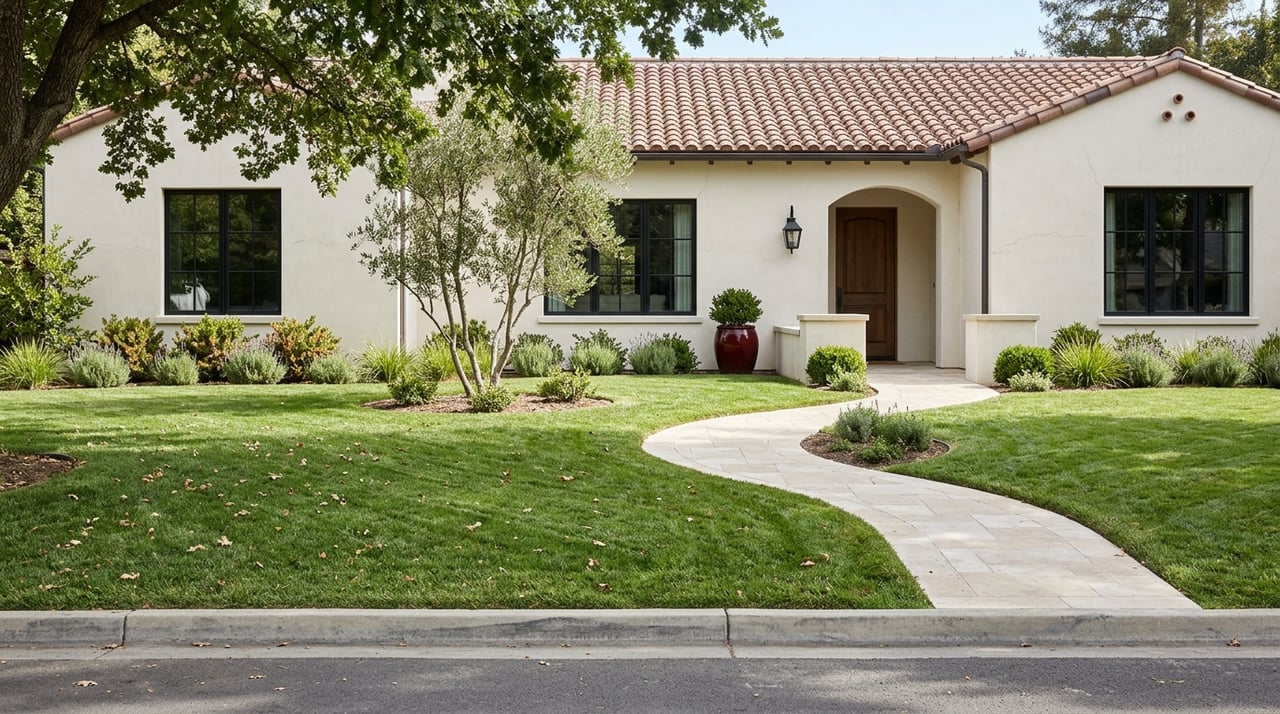
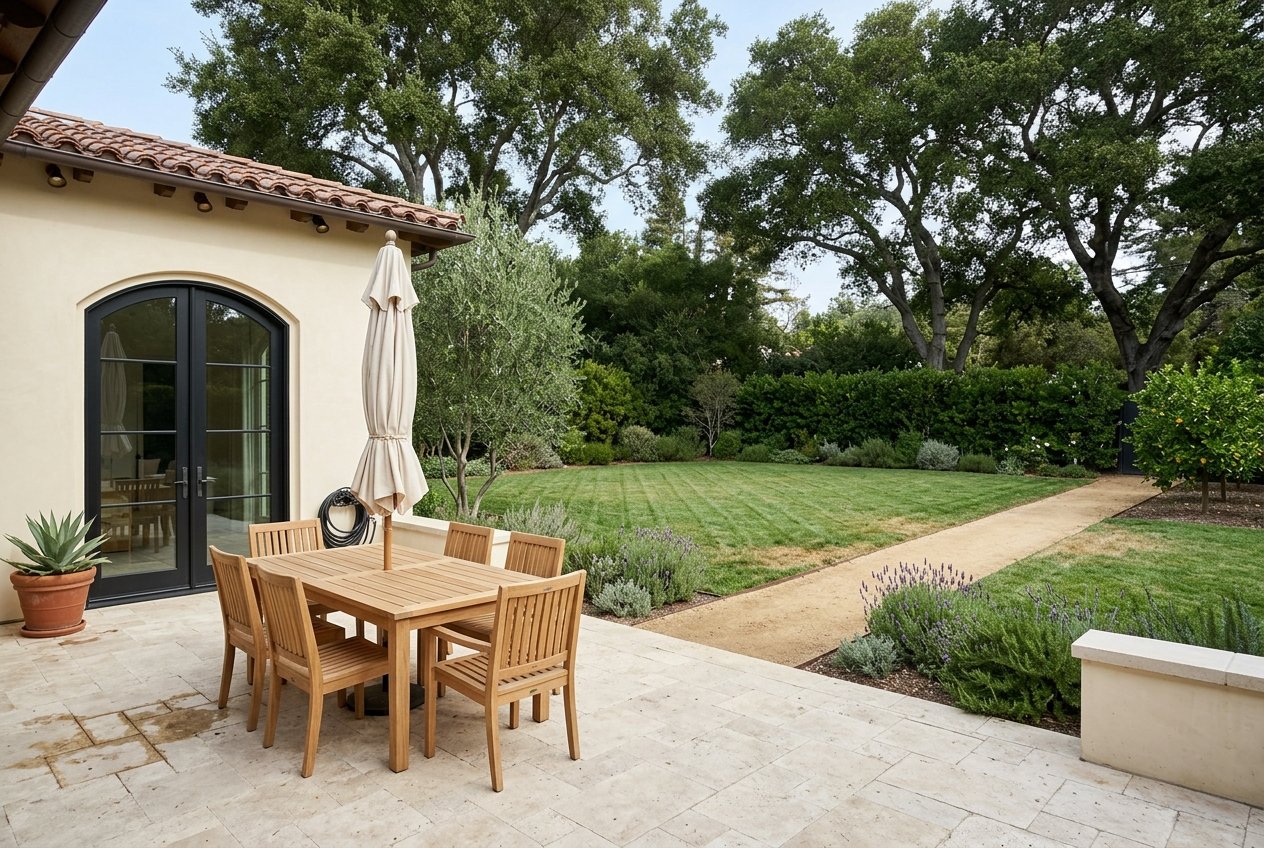
Wondering whether a large-lot home in Alamo feels like a dream come true or a lot of work? The honest answer is that it can be both. If you are drawn to more privacy, more outdoor space, and more room to shape your property around the way you live, Alamo delivers that in a very real way. At the same time, larger parcels come with more upkeep, more planning, and more day-to-day decisions than a typical suburban yard. Let’s take a closer look.
Why large-lot living feels different in Alamo
Alamo is not just another suburban market with bigger backyards. It is an unincorporated Contra Costa County community, which means county government handles planning, code enforcement, public works, and related services through the Alamo Municipal Advisory Council context. That matters because the experience of owning property here is shaped as much by county land-use rules as by the homes themselves.
The housing profile also helps explain the feel of the area. Census QuickFacts shows Alamo had 15,314 residents in 2020, a 91.8% owner-occupied housing rate, and 89.8% of residents living in the same home a year earlier. With a median owner-occupied home value above $2,000,000, Alamo reads as a long-hold, owner-focused market where space, privacy, and property condition carry real weight.
What “large lot” often means here
Contra Costa County describes very-low-density single-family areas as consistent with a rural lifestyle, while low-density areas include detached homes on large lots. County housing materials note that single-family minimum lot sizes can range from 6,000 to 100,000 square feet. An older but still official county table shows R-20 zoning at a 20,000-square-foot minimum lot size.
That context matters because a large lot in Alamo is usually more than a patch of extra grass. In many cases, it means a property with room to spread out, create distance between outdoor uses, and support a more layered landscape. It can also mean space for garden uses that feel less practical on smaller suburban parcels.
The best part: privacy and outdoor living
For many owners, the biggest lifestyle upgrade is not just square footage. It is the feeling that your outdoor space can actually function in different ways at the same time. A larger parcel gives you more flexibility for patios, gardens, play areas, and quiet places to spend time outside without everything feeling tightly packed together.
That sense of openness fits the broader Alamo setting. Nearby Las Trampas Wilderness Regional Preserve emphasizes privacy and escape from urban hustle across its 6,050 acres and trail system. Mount Diablo State Park is also known for hiking, bicycling, equestrian use, camping, and long-range summit views, which reinforces Alamo’s strong connection to open space and an outdoors-oriented lifestyle.
Gardens have more room to be useful
If you enjoy gardening, a larger Alamo lot can feel especially rewarding. The county’s R-20 zoning table notes that this zoning also allows crop and tree farming and horticulture. In practical terms, that makes larger parcels a natural fit for uses like vegetable beds, fruit trees, and pollinator-friendly planting.
That is one reason large-lot living here often feels more functional than decorative. Instead of treating the yard as background only, you may be able to shape it into an active part of daily life. For the right buyer, that flexibility becomes one of the property’s strongest features.
The tradeoff: upkeep grows fast
The same space that feels appealing on showing day needs regular attention after move-in. Larger lots usually mean more mowing or groundcover care, more pruning, more leaf cleanup, more mulch, more weed control, and more tree work. Even when the landscape is beautiful, the time and budget behind it are usually larger than buyers first expect.
Water is a big part of that reality. UC ANR says landscape irrigation accounts for about 50% of residential water use statewide. Its guidance also notes that fixing irrigation leaks can cut water use by 10% or more, which makes irrigation oversight especially important on larger properties.
Irrigation gets more complex than you think
One of the most common surprises with a large lot is that not every planting area wants the same amount of water. UC ANR notes that established landscape trees generally need only modest amounts of water and are often overwatered, while turf has a very different irrigation schedule. That can make a mixed landscape harder to manage well than a simpler yard.
UC IPM adds that when turf watering is reduced or removed, nearby trees and shrubs often need separate supplemental irrigation. It also notes that drip systems require routine monitoring. If a property has mature trees, multiple planting zones, or irrigation that was installed in stages over time, upkeep can become both more time-sensitive and more expensive.
Mature landscaping needs a plan
Large-lot homes in Alamo often benefit from mature trees and layered planting. Those features can add beauty, shade, and privacy, but they also call for more thoughtful care. A yard that looks effortless is usually being managed with attention to pruning, irrigation timing, debris cleanup, and seasonal adjustments.
This is where ownership feels less casual than it might on a smaller lot. You are not just maintaining a lawn. You are managing a landscape system, and that system works best when it is monitored consistently.
Fire-related maintenance is part of ownership
In Alamo, vegetation maintenance is not only about appearance. The San Ramon Valley Fire Protection District serves the community and runs vegetation and hazard abatement programs. CAL FIRE defines defensible space as the buffer created by removing dead plants, grass, and weeds.
For owners of larger parcels, that means landscaping decisions need to balance beauty with defensible-space upkeep. Mature landscaping can still be a major asset, but it also brings responsibility. If you are selling, this matters even more because the fire district also offers real-estate defensible-space inspections.
Bigger lots mean more project potential
One of the most appealing parts of owning a large-lot home is the sense of possibility. You may have room for future improvements, expanded outdoor living, or a detached accessory structure that would not be realistic on a smaller parcel. That flexibility is a big reason buyers stay interested in Alamo over the long term.
But more room does not mean fewer rules. In Alamo, projects still move through county review, and owners should expect formal approvals rather than informal assumptions based on what nearby properties appear to have done.
ADUs and additions still require approvals
Contra Costa County states that accessory dwelling units require both planning and building approvals. County rules currently allow detached ADUs up to 1,200 square feet on lots of 12,000 square feet or more, subject to setbacks, lot coverage, and parking rules. The county also processes building, planning, and public works permits through its ePermits system.
That is an important reality check for buyers who see a large lot and immediately imagine easy expansion. The opportunity may be there, but the process still matters. Before you count on a project, it helps to understand what county review could involve.
Hardscape projects can trigger stormwater review
On larger parcels, owners sometimes think the biggest project questions are only about design or cost. In reality, drainage can become part of the picture too. Contra Costa County’s new and redevelopment guidance says detached single-family homes that create or replace 10,000 square feet of impervious surface are among the projects that must meet stormwater-management thresholds.
That means a major patio, driveway expansion, or substantial addition may involve more than a contractor and a sketch. It can become a permitting and stormwater-management question. On a large-lot property, that is worth considering early rather than late.
Resale in Alamo favors polished, usable space
Because Alamo has high owner occupancy and low short-term turnover, resale often feels different from a fast-churn market. Buyers are not only looking at the house itself. They are also evaluating how the outdoor space lives, how manageable it feels, and whether improvements appear well cared for and well documented.
In that kind of market, privacy and usable outdoor areas can support strong appeal. On the other hand, tired irrigation, heavy overgrowth, or improvements without a clear paper trail can make a property feel more complicated. When a home sits in a premium long-hold market, presentation and upkeep tend to matter even more.
Who tends to love large-lot living most
Large-lot ownership in Alamo tends to work best for people who genuinely want to use the land. That might mean spending time outdoors, gardening, planning future improvements, or simply valuing the breathing room that comes with a more private setting. If that sounds like the life you want, the extra upkeep often feels worthwhile.
If your goal is low-maintenance living, the same property may feel heavier over time than it did on first impression. That does not make it a poor fit. It just means the right match depends on how you want to live day to day.
The real answer
Owning a large-lot home in Alamo is usually a trade, and a very appealing one for the right buyer. You get more privacy, more outdoor living potential, and a stronger connection to the open-space character that makes the area distinctive. In exchange, you take on more water management, more vegetation maintenance, and more permit awareness than you would on a more typical suburban lot.
If you are buying or selling in Alamo, understanding that trade clearly can help you make smarter decisions and set better expectations from the start. If you want thoughtful, local guidance on how a large-lot property will live, present, or sell in today’s market, connect with Kory Madge.
FAQs
What is a large-lot home in Alamo?
- In Alamo, large-lot living generally refers to detached single-family homes on lower-density parcels, with county housing materials showing single-family minimum lot sizes that can range from 6,000 to 100,000 square feet and an official county zoning table listing R-20 at 20,000 square feet.
What are the benefits of owning a large-lot home in Alamo?
- The main benefits are typically more privacy, more flexible outdoor living space, and more room for gardens, patios, and other outdoor uses that may feel limited on a smaller suburban lot.
What maintenance costs should you expect with a large Alamo lot?
- Larger lots often bring higher ongoing costs for irrigation, mowing or groundcover care, pruning, leaf cleanup, mulch, weed control, and tree work, with irrigation demanding close attention because landscape watering accounts for a large share of residential water use.
Do large-lot homes in Alamo have fire-related upkeep requirements?
- Yes, Alamo is served by the San Ramon Valley Fire Protection District, which runs vegetation and hazard abatement programs, and owners need to pay attention to defensible space by managing dead plants, grass, and weeds.
Can you build an ADU on a large lot in Alamo?
- Contra Costa County says ADUs require planning and building approvals, and detached ADUs up to 1,200 square feet may be allowed on lots of 12,000 square feet or more, subject to county rules like setbacks, lot coverage, and parking.
Do major outdoor projects on Alamo properties need permits?
- Many do, and larger projects such as additions, conversions, driveway expansions, or substantial hardscape work may trigger county permit review and, in some cases, stormwater-management requirements depending on the amount of impervious surface involved.