Thinking about a move to Pleasanton? If you want East Bay access, a wide range of home styles, and a day-to-day lifestyle that blends suburban convenience with a small-town feel, Pleasanton tends to stay high on the list. The key is knowing how the city’s neighborhoods, commute options, and housing patterns line up with the way you actually live. Let’s dive in.
Why Pleasanton draws relocators
Pleasanton sits in the Tri-Valley at the crossroads of I-580 and I-680, which gives you strong regional access by both car and transit. The city highlights connections to Oakland, San Francisco, Silicon Valley, and San Jose, and that location is a big part of why many buyers consider it during a relocation.
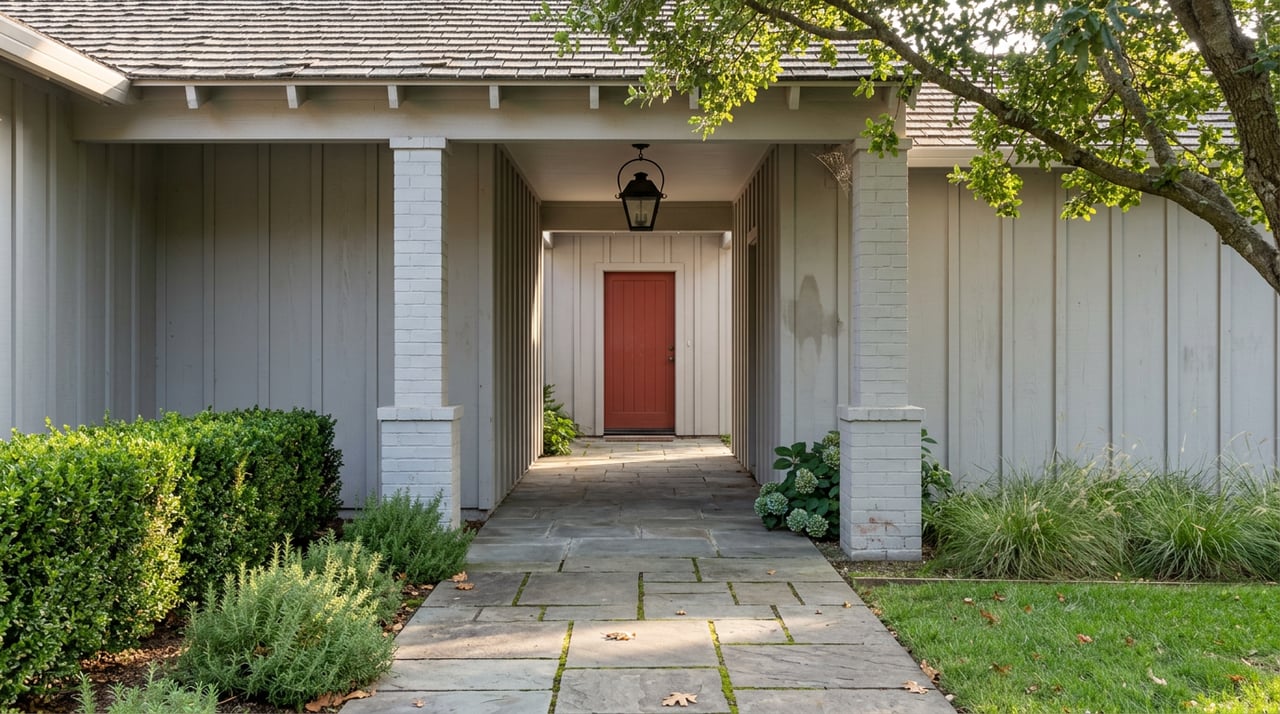
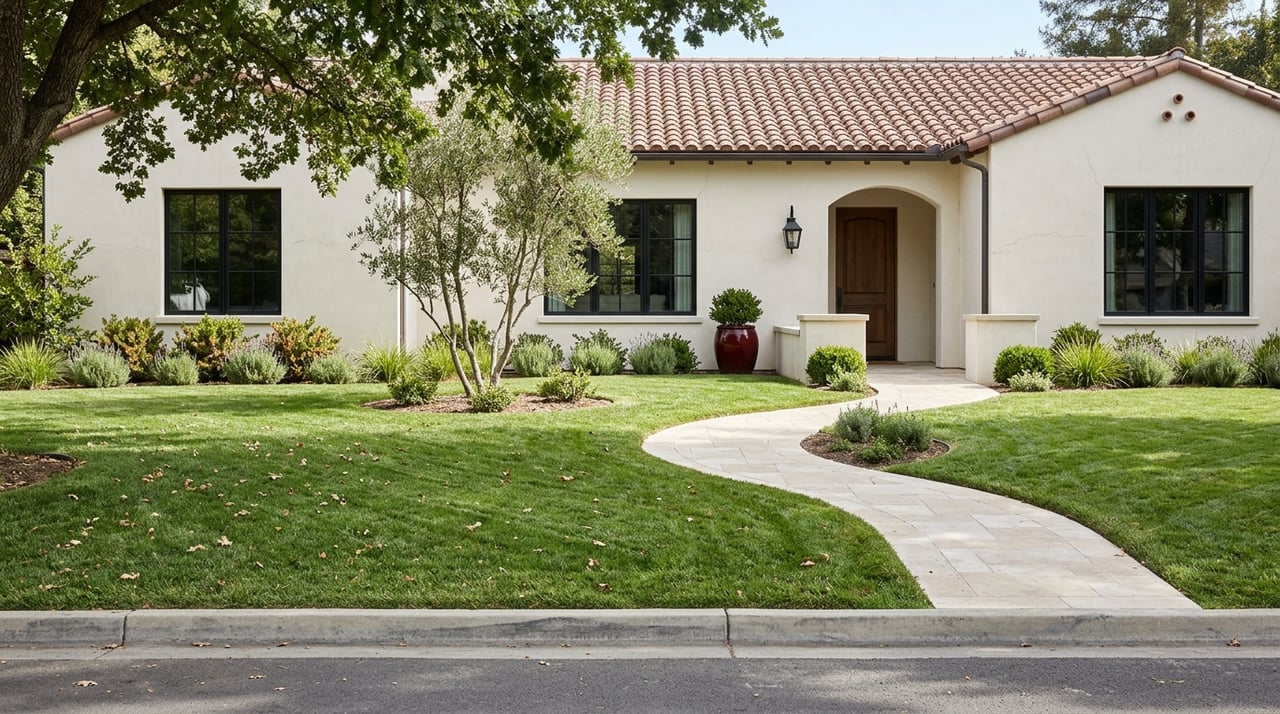
Beyond access, Pleasanton offers a mix of housing types and neighborhood settings. The city describes everything from semi-rural areas like Happy Valley to more conventional suburban neighborhoods and older Victorian and bungalow streets around downtown. That variety can help you narrow your search based on commute, price point, and preferred setting.
Pleasanton housing at a glance
If you are relocating, it helps to start with the broad market picture before comparing specific areas. Current citywide pricing metrics place Pleasanton roughly in the mid-$1.4 million to mid-$1.6 million range, depending on the measure. Redfin reported a March 2026 median sale price of $1,445,000, while Zillow’s April 30, 2026 home-value index came in at $1,595,629.
The market has also been moving fairly quickly. Redfin reported about four offers on average and a median of 15 days to sell in March 2026. For buyers, that means preparation matters. For sellers, it reinforces why pricing and presentation still matter in a competitive setting.
Pleasanton’s housing stock remains mostly single-family, which is useful if you are hoping for a more traditional suburban home search. According to the city’s housing element, 60.5% of homes are detached single-family, 9.7% are attached single-family, 5.6% are two-to-four-unit multifamily, 22.9% are five-plus-unit multifamily, and 1.3% are mobile homes.
If you are looking for a lower entry point, condos can offer another option. The research snapshot noted 23 condos on the market at a median listing price of $520,000. That can make condos worth a closer look for first-time buyers, downsizers, or relocators who want Pleasanton access with a different maintenance profile.
Pleasanton neighborhoods to know
Pleasanton has more than 70 residential neighborhoods, and many are known by tract or developer names rather than strict city-defined boundaries. In practice, many buyers use these neighborhood names as market labels. That makes it especially important to compare home style, location, and commute convenience rather than rely on the label alone.
Downtown Pleasanton
Downtown Pleasanton stands out for its historic, pedestrian-oriented setting. The city describes it as a small-scale area with older commercial and residential buildings that reinforce its historic character. If you want charm, a more walkable setting, and easier access to shops, dining, and events, this area often gets early attention.
From a pricing standpoint, Redfin’s March 2026 snapshot put the median sale price in Downtown Pleasanton at $1,225,000. That can make downtown appealing to buyers who want Pleasanton living at a lower median price than some of the city’s larger suburban single-family neighborhoods.
Pleasanton Valley
Pleasanton Valley is described by the city as Pleasanton’s conventional suburban housing area. For many relocators, this is the kind of neighborhood image that first comes to mind when they picture Pleasanton: established residential streets, single-family homes, and a classic suburban layout.
Redfin reported a March 2026 median sale price of $1,662,500 in Pleasanton Valley, with homes selling in about 8 days. That pace suggests strong demand, so if this area fits your goals, you may need to move quickly when the right listing appears.
Pleasanton Meadows
Pleasanton Meadows is another established suburban submarket that often comes up in relocation searches. Buyers who want a familiar neighborhood feel, with a more residential setting than downtown, often include it on their list.
Redfin reported a March 2026 median sale price of $1,665,000 in Pleasanton Meadows. That places it close to Pleasanton Valley in pricing and likely in the conversation for buyers focused on suburban single-family options.
Hacienda
Hacienda sits at the lower end of Pleasanton’s current price spectrum based on the research provided. Redfin’s March 2026 median sale price there was $865,000, which makes it one of the more approachable market segments in the city.
For relocators trying to balance budget and location, Hacienda may be worth a closer look. Depending on the available inventory, it can be a useful option for buyers who want Pleasanton access but are not targeting the upper end of the single-family market.
Ruby Hill
Ruby Hill represents one of Pleasanton’s upper-end market segments. Redfin reported a March 2026 median sale price of $3,455,000 there in March 2026, placing it firmly in the luxury tier of the local market.
If your move involves a larger budget, more space, or a higher-end residential setting, Ruby Hill may align with your search. This is the kind of segment where neighborhood-level guidance, pricing strategy, and private opportunities can be especially valuable.
Commute options from Pleasanton
One reason Pleasanton works well for many Bay Area relocators is that you are not limited to one commute style. You can drive, use BART for San Francisco and the East Bay, or use ACE for weekday trips toward the South Bay. Your best fit often depends on where you need to be most often and how predictable your schedule is.
BART for East Bay and San Francisco trips
BART is the main rail option for San Francisco and core East Bay destinations. The Dublin/Pleasanton station sits on I-580, and the line includes stops such as Downtown Berkeley, Ashby, Rockridge, MacArthur, 19th Street/Oakland, Lake Merritt, West Oakland, Fruitvale, and Coliseum.
West Dublin/Pleasanton is another nearby station, located near Stoneridge Shopping Center. For many buyers, access to one of these stations becomes a major factor when comparing neighborhoods, especially if they want to reduce weekday driving.
ACE for South Bay commutes
If your work takes you toward Fremont, Santa Clara, Great America, or San Jose, ACE may be the more relevant rail option. The current weekday westbound departures from Pleasanton are 5:23, 6:48, 7:53, and 8:45 a.m., with eastbound return trips at 4:28, 5:28, 6:28, and 7:31 p.m.
That schedule can work well for commuters with more fixed hours. If you are relocating for a South Bay job, it is smart to compare your typical workday to the ACE schedule before deciding how heavily to weigh station access.
Local transit and short trips
For shorter Tri-Valley trips, Wheels Rapid Route 10R connects Dublin/Pleasanton BART, downtown Pleasanton, and the Livermore Transit Center. Weekday service runs every 20 minutes, which can be useful for local mobility or first-and-last-mile connections.
Even with transit options, driving remains central for many residents because Pleasanton sits at the I-580/I-680 crossroads. If you expect to drive most days, neighborhood selection may come down to how quickly you can reach your most-used freeway route.
What daily life feels like in Pleasanton
Relocation is not just about the home. It is also about what your normal Tuesday, Saturday, and evening routines will feel like after the move. Pleasanton stands out because it pairs suburban convenience with a stronger sense of place than many larger commuter markets.
The city’s general plan describes Pleasanton as having a small-town feeling with an outlying rural atmosphere. That combination can appeal to buyers who want practical access to major job centers without giving up a more grounded, residential environment.
Parks, trails, and open space
Pleasanton’s parks and recreation footprint is a major part of everyday life. The city reports 46 parks, more than 60 miles of trails, and more than 700 acres of undeveloped open space. It also notes that many neighborhood parks are within half a mile of residential areas.
For buyers, that means outdoor access is often built into the rhythm of daily life. Whether you want morning walks, trail access, or nearby green space, these features can shape how a neighborhood feels beyond the home itself.
Shopping and errands
Errands are spread across the city, which adds to day-to-day convenience. Pleasanton reports about 22 retail shopping centers, and Historic Downtown Pleasanton is described by the city as a charming, walkable district with shopping, dining, and local businesses.
Stoneridge Shopping Center near West Dublin/Pleasanton BART is another major retail anchor. If your lifestyle depends on easy errands and quick access to stores, these commercial hubs can matter almost as much as commute routes.
Events and local rhythm
Pleasanton also has recurring events that help define its identity. The farmers market runs every Saturday year-round, and the city highlights the Alameda County Fair, Friday Night Concerts in the Park, and First Wednesday Street Parties as part of local life.
For relocators, these details matter because they show how the city functions beyond housing stats. They give you a clearer picture of how weekends, public spaces, and community gathering spots fit into the overall experience of living here.
Schools and family planning
If schools are part of your relocation planning, start with factual district information and then match housing options to your budget and commute. The official Pleasanton Unified School District site lists multiple elementary, middle, and high schools, including Amador Valley High School and Foothill High School.
A practical approach is to confirm school assignment details directly with the district as you narrow your home search. That way, you can compare neighborhoods based on verified information, commute needs, home type, and overall fit.
How to choose the right area in Pleasanton
The right Pleasanton neighborhood depends on what you need your next chapter to look like. Some buyers prioritize BART access, some want a historic setting near downtown, and others focus on established suburban neighborhoods with larger single-family options.
A simple way to narrow your search is to rank these five factors before touring homes:
- Your realistic budget range
- Your primary commute route or transit need
- Your preferred home type
- How much you value walkability versus a quieter residential setting
- How much space and privacy you want
Once you know those priorities, the city starts to sort itself more clearly. Downtown Pleasanton may appeal if you want charm and a pedestrian-oriented environment. Pleasanton Valley and Pleasanton Meadows may stand out if you want a more classic suburban setting. Hacienda may offer a lower entry point, while Ruby Hill may fit a luxury-focused search.
If you are planning a move to Pleasanton and want neighborhood-level guidance with a high-touch, concierge approach, Kory Madge can help you compare options, understand the market, and move forward with clarity.
FAQs
What is the average home price in Pleasanton, CA?
- Current market measures in the research report place Pleasanton roughly in the mid-$1.4 million to mid-$1.6 million range citywide, with Redfin reporting a March 2026 median sale price of $1,445,000 and Zillow reporting an April 30, 2026 home-value index of $1,595,629.
Which Pleasanton neighborhood is more affordable for buyers?
- Based on the research provided, Hacienda had a March 2026 median sale price of $865,000, which placed it at the lower end of Pleasanton’s current price spectrum.
Is Pleasanton, CA good for commuting to San Francisco?
- Pleasanton offers BART access through the Dublin/Pleasanton and West Dublin/Pleasanton stations, which connect riders to core East Bay stops and San Francisco-bound service patterns.
Can you commute from Pleasanton to San Jose by train?
- Yes. ACE provides weekday commuter rail service from Pleasanton to destinations including Fremont, Great America, Santa Clara, and San Jose.
What is daily life like in Pleasanton, CA?
- Pleasanton combines a small-town feel with suburban convenience, and the city reports 46 parks, 60-plus miles of trails, more than 700 acres of open space, about 22 retail shopping centers, a year-round Saturday farmers market, and recurring local events.
What types of homes are common in Pleasanton, CA?
- Pleasanton’s housing stock is mostly single-family, with the city reporting 60.5% detached single-family homes and 9.7% attached single-family homes, alongside smaller shares of multifamily and mobile homes.