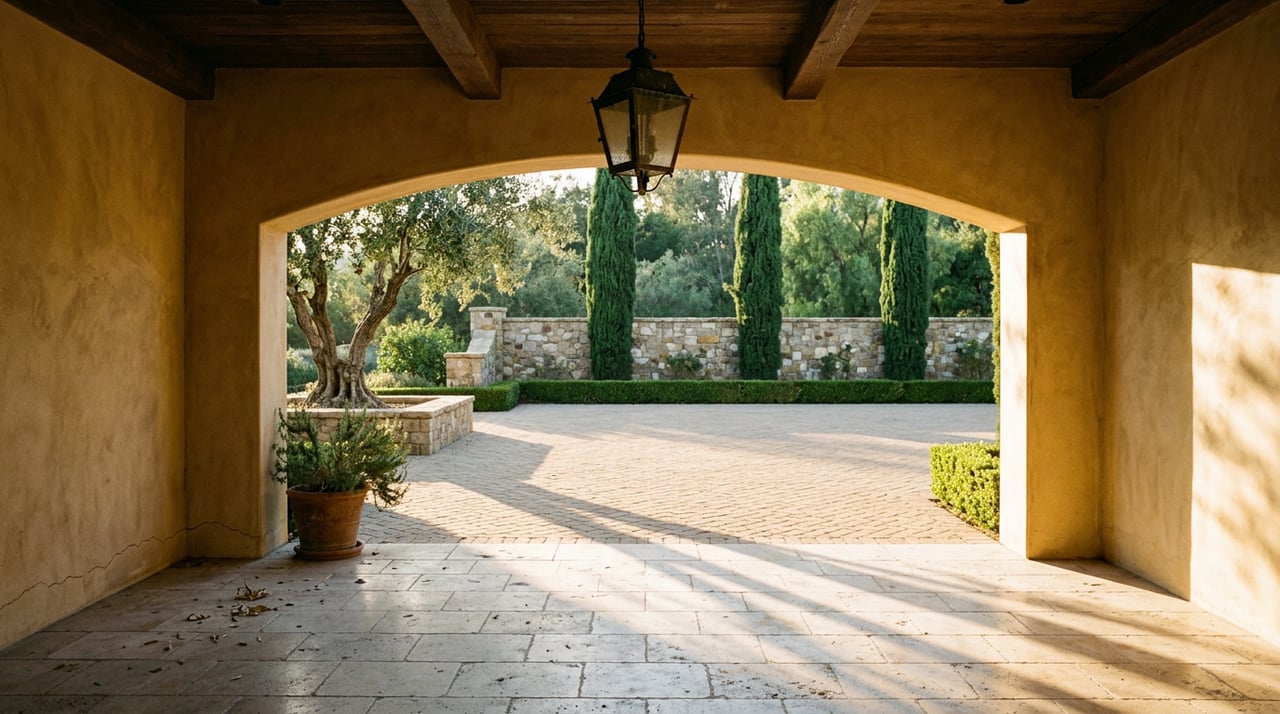
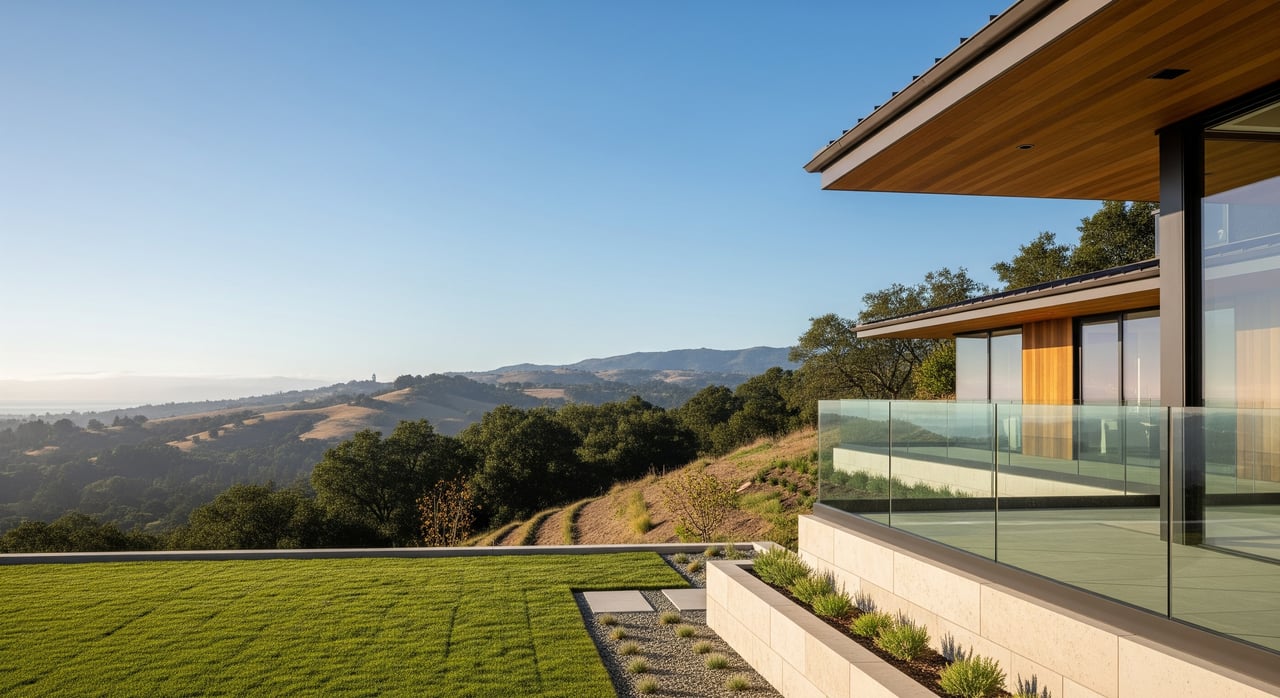
Do you love a sweeping view but worry about steep driveways and higher upkeep? Or do you want a big, level yard that is easy to use and simpler to maintain? In Lafayette and the surrounding Contra Costa hills, the choice between hillside and flat lots shapes your daily life, budget, and long-term plans. This guide breaks down the real trade-offs so you can buy with confidence. Let’s dive in.
Hillside vs. flat in Lafayette
Lafayette sits in a valley framed by wooded ridgelines and rolling slopes. Many neighborhoods blend gentle to steep grades with pockets of flatter streets and cul-de-sacs. Hillside parcels often deliver privacy and views, while flat parcels tend to offer easier access and conventional yards.
At a high level, hillside lots can bring standout views and dramatic outdoor spaces, but they often involve higher site-work costs, specialized engineering, and more complex permitting. Flat lots usually mean lower site-prep cost, simpler parking and access, and more straightforward approvals for routine improvements.
Everyday living differences
Access and parking
Steeper sites can mean switchback driveways, tight parking, and trickier deliveries. Wet winter weather may make steep driveways harder to navigate. Flat parcels typically offer easier garage placement, practical on-street parking, and simpler accessibility for strollers or wheelchairs.
Foundations and site work
Hillside construction often needs engineered foundations such as piers or caissons, stepped footings, retaining walls, and grading. These add cost and schedule risk. Flat parcels usually support conventional foundations with less earthwork and fewer retaining walls, which can keep site-prep costs down.
Drainage and slope stability
On hillsides, managing runoff is critical. Concentrated stormwater can cause erosion or compromise slopes. Common solutions include subdrains, surface conveyance, revegetation, and detention measures designed to handle seasonal heavy rains. Thoughtful drainage reduces long-term risk.
Wildfire and defensible space
Many East Bay hillsides sit in higher wildfire-threat areas. Expect ongoing vegetation maintenance, fuel-reduction work, and defensible-space standards set by local fire districts. Insurance considerations may vary by exposure.
Utilities and services
Flat lots in established neighborhoods tend to have straightforward water, sewer, and power connections. Hillside properties may require longer utility runs, uphill service or pumps, and in limited unsewered pockets, private septic. Stormwater requirements can also be more demanding on sloped sites.
Landscaping and outdoor living
Hillsides excel at terraces, multi-level decks, and privacy-focused design, though they often require custom solutions and higher budgets. Flat lots offer larger, contiguous yards that are simpler for pools, play areas, and classic backyard entertaining.
Permits and studies in Lafayette
Local rules drive what you can build and how you build it. Plan ahead so you are not surprised.
Typical studies you may need
- Geotechnical report for sloped sites, grading, or when foundations and retaining walls are part of the plan.
- Structural design for foundations, retaining walls, decks, and seismic elements.
- Drainage and hydrology analysis for larger grading to show stormwater control.
- Vegetation or wildfire assessments when defensible-space verification is required.
- Environmental review if the parcel touches mapped landslides, streams, or protected habitat.
Who reviews your plans
- City of Lafayette Planning and Building Divisions handle permits and entitlements within city limits, including hillside-related policies.
- Contra Costa County oversees permits for unincorporated parcels through its development and building departments.
- Local fire districts enforce defensible space, driveway and fire-access standards, and water-supply/fire-flow requirements.
- Utility districts and public works review service connections and street-access improvements.
- State codes and guidance, such as the California Building Code and California Geological Survey mapping, inform design and disclosures.
Common permit triggers
- New home construction on sloped lots.
- Significant grading or soil import or export.
- Retaining walls beyond certain heights.
- Driveway cuts into slopes or switchbacks.
- Tree removal in protected or hillside zones.
Disclosures and title
Expect professional inspections in due diligence, especially geotechnical and structural. Sellers must disclose known slope movement, past slides, or stabilization work where applicable. Title items such as slope-maintenance or storm-drain easements may affect use and insurance.
Risk, insurance, and financing
Geologic and seismic hazards
The Bay Area is seismically active. Hillside homes call for careful lateral-load resistance and slope stability planning. Mapped landslide areas and past activity may increase review requirements and influence design.
Insurance and loans
Earthquake insurance is separate from standard homeowners policies. Landslide or mudflow coverage may be limited or excluded, and you might need specialized endorsements. Some lenders treat steep sites as higher risk and may require additional geotechnical information.
Resale and marketability
Hillside homes can command premiums for privacy and views, but they may appeal to a smaller buyer pool due to access, maintenance, and perceived risk. Flat lots often attract broader segments and support conventional outdoor living. Local comparables, street access, and the condition of site improvements like retaining walls matter when pricing.
Decision framework: which lot fits you
- Prioritize views and privacy and accept higher site and maintenance costs: explore hillside lots, and verify geotech, access, and wildfire mitigation.
- Prioritize easy access, lower site work, and classic outdoor living: favor flat lots.
- Prioritize broad resale appeal over time: flat or gently sloped parcels generally fit more buyer preferences.
- Prioritize architectural drama and unique terraces with comfort managing complexity: hillside sites can unlock distinctive design.
Buyer due diligence checklist for Lafayette
- Review local hazard and slope maps with city or county planning resources.
- Request prior geotechnical reports and any slope-stabilization permits or repair records.
- Confirm driveway and fire-access standards with the local fire district and public works.
- Verify water, sewer, and power connections and whether pumping or uphill service is needed.
- Ask about any recent erosion, slides, or drainage issues and related maintenance agreements or easements.
- Confirm tree-protection and hillside tree-removal rules.
- Consult a licensed geotechnical engineer, and as appropriate, a structural engineer or landscape architect for pre-purchase insight on major upgrades.
- Investigate insurance availability and costs for earthquake, landslide, and wildfire at the specific address.
Cost signals to watch
- Multiple retaining walls, tall walls, or deep foundations typically indicate higher engineering and construction costs.
- Long, steep, or curved driveways may add expense for grading, stabilization, and fire-access requirements.
- Complex drainage systems and erosion-control plans suggest careful, ongoing maintenance.
- Extended utility runs or pump systems can increase upfront and long-term operating costs.
Making your move
There is no one-size-fits-all answer. A hillside lot can deliver a one-of-a-kind setting with privacy and views if you are prepared for specialized engineering, wildfire mitigation, and maintenance. A flat lot can streamline daily living, reduce site costs, and broaden future resale appeal. The best choice is the one that aligns your lifestyle, budget, and long-term strategy.
If you want tailored guidance on specific Lafayette parcels, detailed pricing risks, and introductions to trusted geotechnical and construction pros, reach out to Kory Madge. Get concierge-level support, from private listings to preparation and negotiation, so you can move forward with clarity.
FAQs
What are the biggest day-to-day differences between hillside and flat lots in Lafayette?
- Hillsides offer views and privacy but can mean steeper driveways and custom site maintenance, while flat lots make access, parking, and yard use simpler.
Do hillside homes in Lafayette usually need special foundations?
- Many do, often including engineered foundations and retaining walls due to slope and soil conditions, which can add cost and time.
How does wildfire exposure affect hillside properties?
- Hillside areas may fall in higher wildfire-threat zones, which can require defensible space, regular vegetation work, and can influence insurance.
Who issues permits for hillside projects in Lafayette?
- The City of Lafayette typically handles planning, building, and grading permits inside city limits, with input from fire districts and utilities.
Are hillside properties harder to insure or finance?
- They can be, depending on slope history and wildfire exposure, and insurers or lenders may ask for extra documentation or charge higher premiums.
What should I review before writing an offer on a hillside lot?
- Request prior geotechnical reports, verify access and utilities, review hazard maps, confirm tree and grading rules, and check insurance availability.