Torn between more land and a lively, walkable town? If you are choosing between Alamo and Danville, you are not alone. Many move-up buyers want elbow room for a pool or ADU, but also love the idea of strolling to dinner or grabbing coffee close to home. In this guide, you will get a clear, side-by-side view of prices, lots, daily life, commutes, and schools so you can match a neighborhood to your lifestyle with confidence. Let’s dive in.
Alamo vs. Danville at a glance
Alamo and Danville share a corridor, a lifestyle, and a school district footprint, but they feel different day to day.
- Price band: As of January 2026, typical single-family values in Alamo cluster in the low to mid 2 million range. Danville’s median is lower on average, with wide variation by neighborhood. Always note the source and date when you compare figures.
- Lot size: Alamo often delivers larger parcels. Many properties, especially in West Alamo, sit on about 0.5 to 0.9 acres or more. Danville’s citywide median lot size trends smaller around about 0.24 acres, with exceptions in Westside and estate pockets.
- Lifestyle: Danville offers a compact, walkable downtown core with restaurants, cafés, and services close together. Alamo is quieter and more residential, with smaller commercial centers and a more country feel.
- Commute: Both towns line I-680 and report similar mean travel times. Alamo averages about 29 to 31 minutes, while Danville averages about 32 to 33 minutes, depending on your exact location and destination.
Alamo: Character and who it fits
Alamo is an unincorporated community known for privacy, larger lots, and a relaxed, estate-style feel set against oak-studded hills and views of Las Trampas and Mt. Diablo. Many homes are midcentury ranchers, traditional estates, and custom builds with room to expand. You will find deep setbacks, long driveways, and generous backyards that invite pools, gardens, and outdoor living. For a quick primer on the area, see the Alamo entry on Wikipedia.
If you value space, outdoor privacy, and a calm street scene, Alamo checks those boxes. Daily errands are typically by car, and many residents head a short drive to Danville or Walnut Creek for broader dining and retail options.
Danville: Character and who it fits
Danville is an incorporated town with a defined village-style downtown that runs along Hartz and Front. You get a classic small-town feel, community events, and many daily conveniences within a short drive or an easy walk from nearby neighborhoods. Housing choices range widely, from condos and village cottages to larger Westside homes and nearby estate enclaves.
If you want an active, walkable core, frequent dinners out, and a simpler errand routine, Danville is a strong match. You can still find larger lots in specific sub-neighborhoods, but they are less consistent than in Alamo.
Lot size and privacy: the clearest difference
If outdoor space is at the top of your list, this is where the two towns separate most.
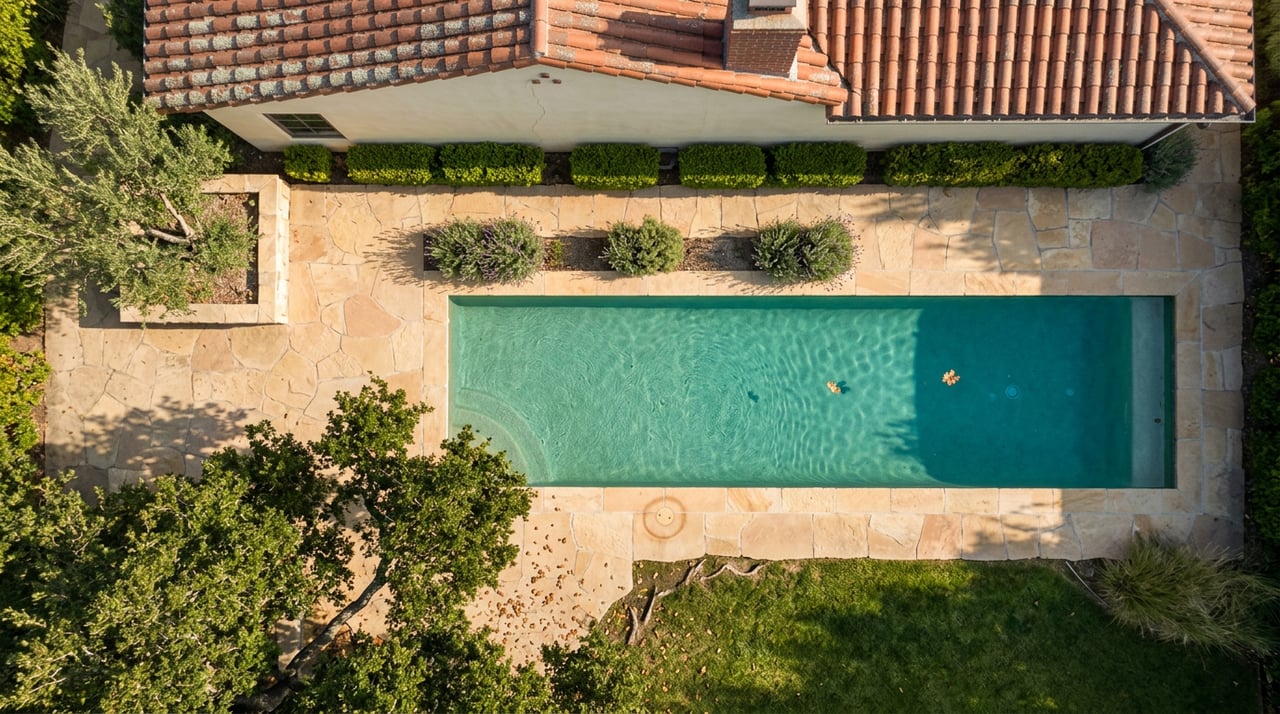
- Alamo: Many single-family properties sit on 0.5 acre or more, especially in West Alamo and foothill streets. That scale makes it easier to add a pool, sport court, ADU, or guest house while keeping good separation from neighbors.
- Danville: The citywide median lot size trends closer to about 0.24 acres. Larger parcels exist, especially on the Westside and in select estate pockets, though you will want to target those areas specifically.
Quick rule of thumb: If you need about 0.5 acre or more and consistent privacy, start in Alamo, focusing on West Alamo, Lime Ridge, and Livorna-adjacent streets. If you are comfortable with about 0.15 to 0.3 acres and want to be close to a town center, prioritize Downtown and West Danville.
Daily life: dining, errands, and weekend rhythm
Think about how you live between school drop-off and bedtime. Danville’s compact village core puts restaurants, coffee, ice cream, and small retail close together, which can make midweek dinners and errands feel effortless. Alamo offers smaller commercial nodes like Alamo Plaza and Las Trampas Center, along with a quieter, residential setting. Many Alamo residents drive into Danville or Walnut Creek for a wider range of dining and shopping.
Neither setup is better by default. It is a lifestyle tradeoff: Danville emphasizes convenience and walkability, while Alamo emphasizes calm, space, and privacy.
Commute and transit: similar averages, local nuance
Both towns hug I-680, and many residents head to Walnut Creek BART for regional trips. Average commute times are similar. Alamo’s mean travel time falls around 29 to 31 minutes per the Census Reporter Alamo profile. Danville’s mean is about 32 to 33 minutes per the Census Reporter Danville profile. Your actual time will depend more on your exact neighborhood and work destination than the town name on your address.
For transit, County Connection operates local and commuter routes that link both communities with Walnut Creek BART and other hubs. If you plan to use bus plus BART, look at homes close to a stop and check current schedules on the County Connection routes page.
Schools and family logistics
Both Alamo and most of Danville are served by San Ramon Valley Unified School District (SRVUSD). Because school assignments are address-specific and can change, verify boundaries for each property and confirm the typical feeder pattern before you write an offer. You can view the district’s school list via the San Ramon Valley Education Foundation.
Families also appreciate after-school activities, parks, and trail access in both towns. Many neighborhoods offer quick access to the Iron Horse Trail, local sports fields, and nearby open space.
Home styles and renovation potential
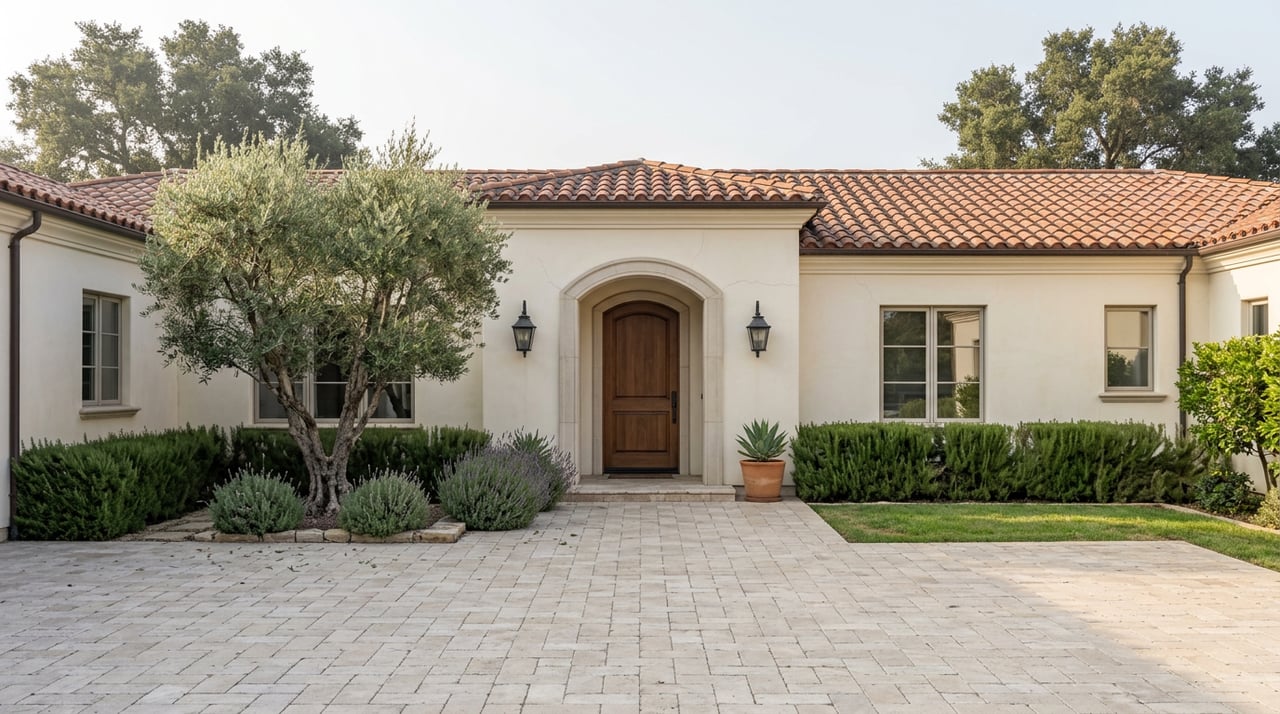
- Alamo: Midcentury ranchers, larger traditional and custom estates, and Mediterranean-inspired homes are common. Larger parcels create options to add an ADU, expand a primary suite, or build a resort-style yard.
- Danville: You will find a broader mix, including village condos and townhomes, traditional suburban homes, and nearby luxury estates. That range helps you trade between convenience, price, and lot size within one town.
Budget planning and market pace
As of January 2026 snapshots, typical Alamo home values cluster near the low to mid 2 million range, with price per square foot often higher than in Danville. Danville’s citywide median has trended lower, though mature and Westside segments can push closer to 2 million. Price per square foot in Danville often sits below Alamo on a like-kind basis, and days on market data shows well-priced homes moving quickly in both towns. Since each data source tracks slightly different cohorts and time windows, label the provider and month when you compare numbers.
Pro tip: Use price per square foot for like-kind comparisons on similar lots and ages, then adjust for yard size, privacy, and renovation level. Larger, well-landscaped lots in either town can command a meaningful premium.
Services and governance
Danville operates as an incorporated town with local services and a town-run police department. For context on how the town organizes public safety, see the Danville Police Services page. Alamo, by contrast, is unincorporated, which contributes to its lower-density, residential character and reliance on county-level services.
A simple decision framework
Use these quick prompts to align your shortlist with how you live day to day.
- How big a yard do you need? If you want consistent 0.5 acres or more, start in Alamo. If you will accept about 0.15 to 0.3 acres for a village center, focus on Danville.
- How often do you want to walk to dinner or coffee? If daily walkability is important, Danville’s village fits well. If quiet evenings at home matter more, Alamo will feel calmer.
- Commute tradeoffs: Both are car-oriented suburbs. Test your specific route on I-680, and consider homes close to County Connection stops if you plan to use bus plus BART. Check routes and schedules on the County Connection site.
- Schools: Both feed SRVUSD. Verify exact attendance boundaries for each property with the SRVEF school list.
- Budget: Expect overlapping price bands, with Alamo generally higher and Danville more varied by neighborhood. Track price per square foot, lot size, and recent renovations when you compare.
When Alamo is the better fit
Choose Alamo if your top priorities include space, privacy, and long-term flexibility.
- You want a half-acre yard or larger with room for a pool, sport court, or ADU.
- You prefer a quiet, residential setting and do not mind driving for broader dining and retail.
- You are planning a multi-phase renovation or expansion and value a larger canvas.
When Danville is the better fit
Choose Danville if you want an easy, village-centered routine with varied housing options.
- You want to walk or take a short drive to restaurants, cafés, and events.
- You want more product types to compare, from condos and cottages to larger Westside homes.
- You like the idea of a defined town center and a steady calendar of community activities.
A note on the luxury segment
Both towns include higher-end homes and estates, and luxury demand often tracks privacy, views, and lot size across the 680 corridor. Nearby enclaves and estate areas can pull premium buyers who prioritize acreage and scenery. For regional context on the East Bay’s upper-tier market, see this San Francisco Chronicle overview of estate segments.
Choosing between Alamo and Danville comes down to how you balance yard size, daily convenience, and budget. If your heart leans toward quiet acreage and long-term flexibility, Alamo delivers. If your days run on short errands, frequent dinners out, and a festive village core, Danville will feel right. When you are ready to walk specific streets and compare real homes, let’s talk through the tradeoffs block by block.
If you want neighborhood-level guidance, private listing access, and a plan tailored to your family, connect with Kory Madge. You will get concierge representation rooted in deep local insight and a calm, step-by-step process from first tour to keys.
FAQs
What are the main differences between Alamo and Danville for move-up buyers?
- Alamo offers larger lots and a quieter, residential feel, while Danville offers a more walkable village core and a wider mix of home types.
How do commute times compare from Alamo and Danville?
- Mean travel times are similar, about 29 to 31 minutes for Alamo and 32 to 33 minutes for Danville, with your exact route and neighborhood making the biggest difference.
Are Alamo and Danville both served by SRVUSD schools?
- Yes, most addresses in both towns feed San Ramon Valley Unified School District, but you should verify boundaries for each property.
How do typical lot sizes compare in Alamo vs. Danville?
- Alamo commonly delivers about 0.5 acres or more, while Danville’s median lot size trends closer to about 0.24 acres with larger pockets in select areas.
Which town is better for walkability to dining and shops?
- Danville, thanks to its compact village downtown, typically provides more walkable options for dining and daily errands.